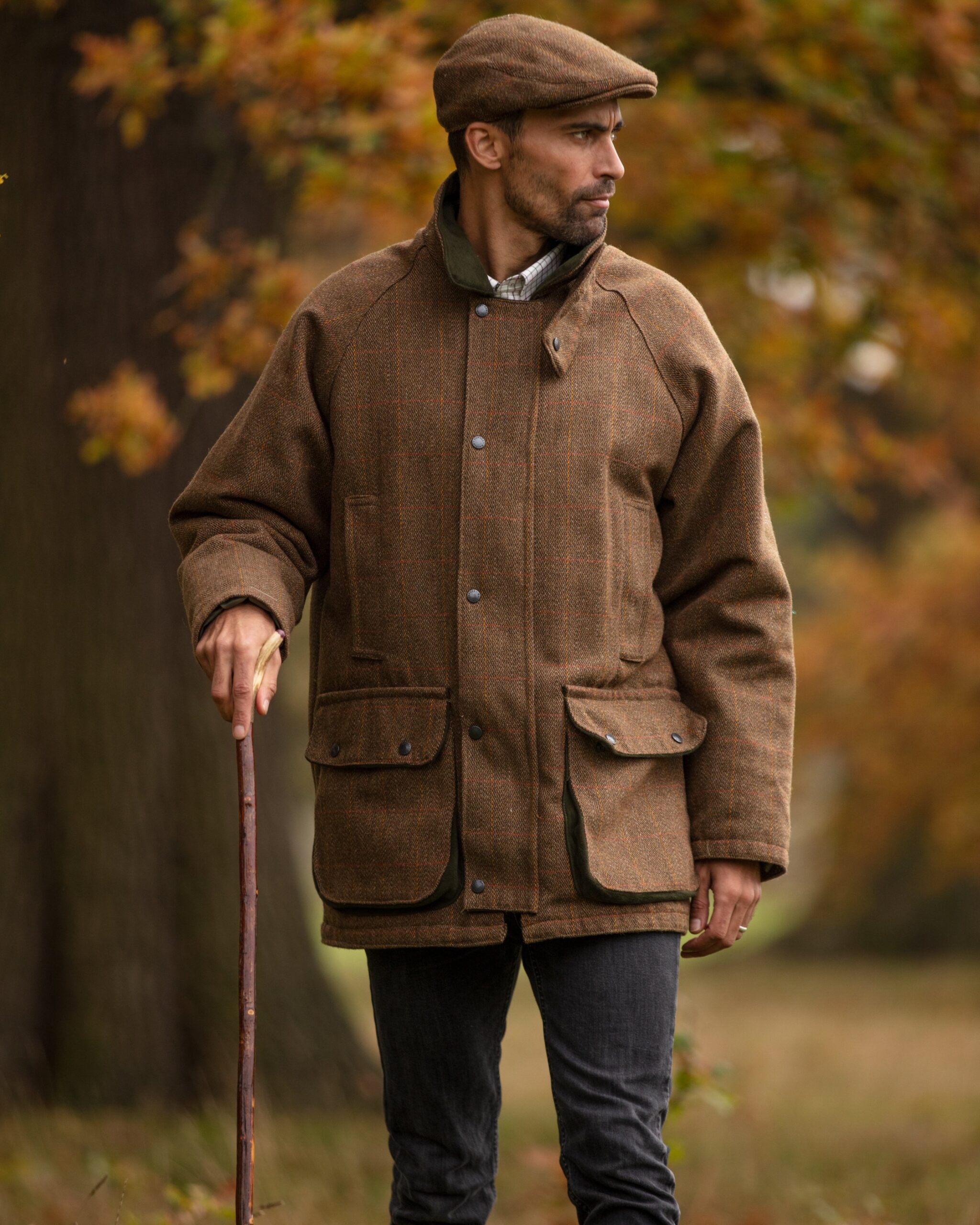
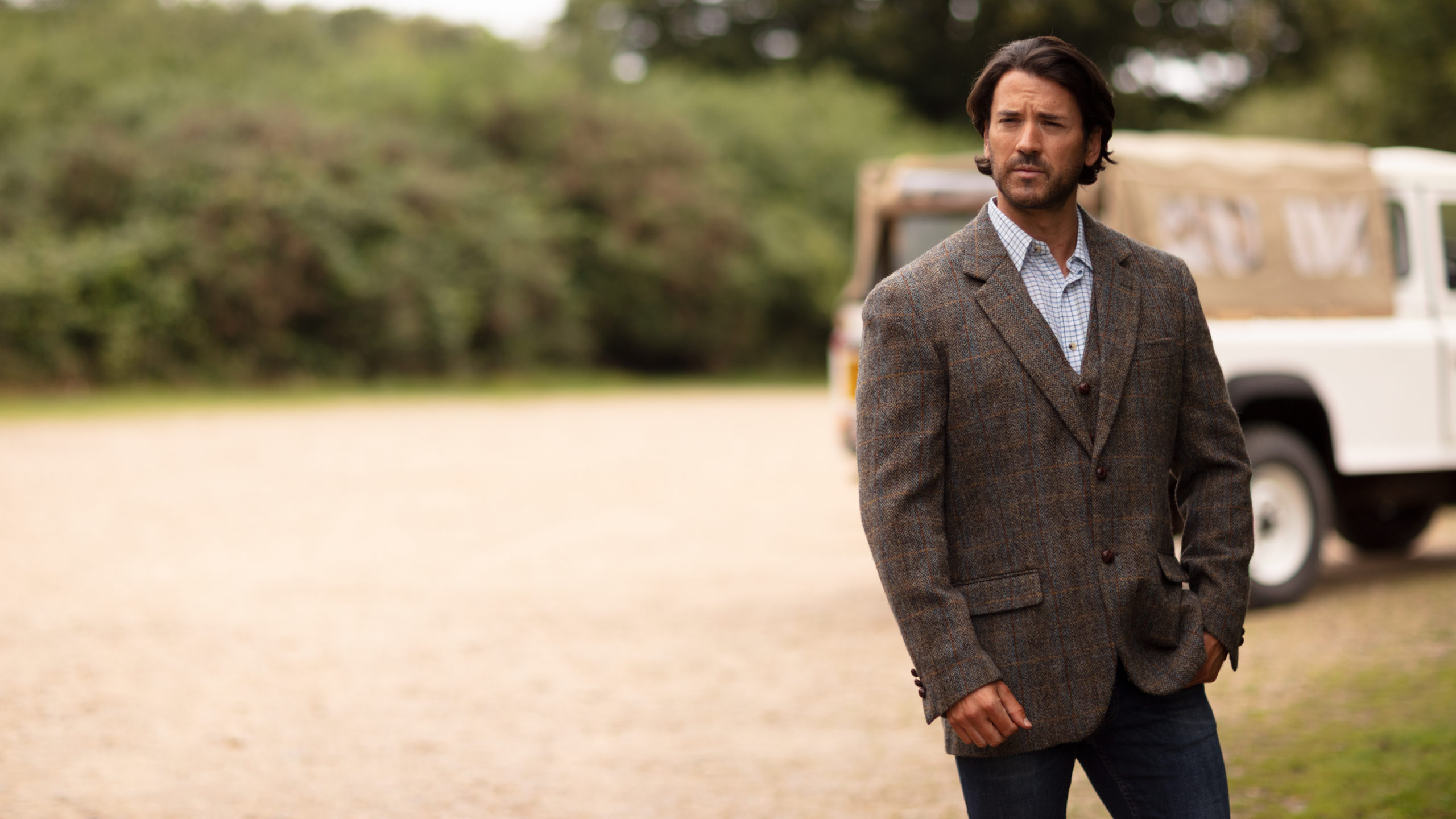
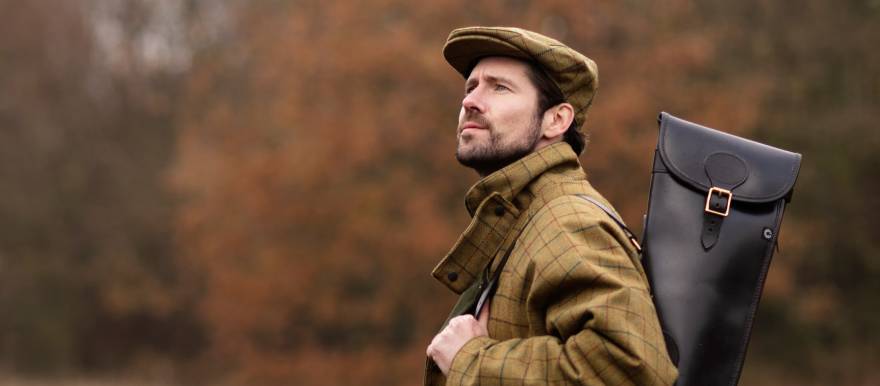
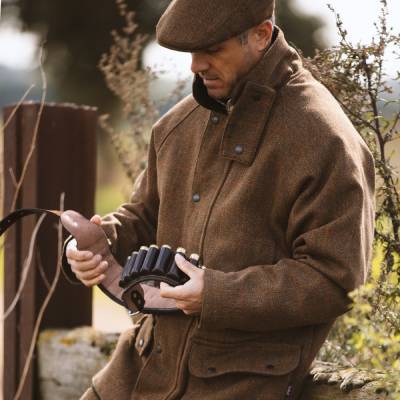
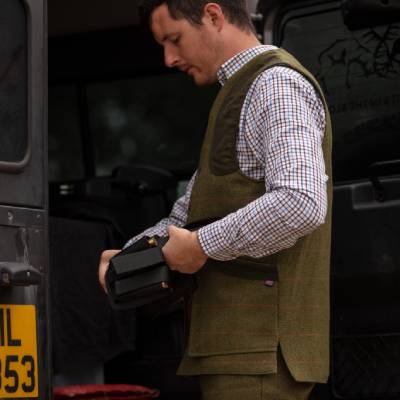
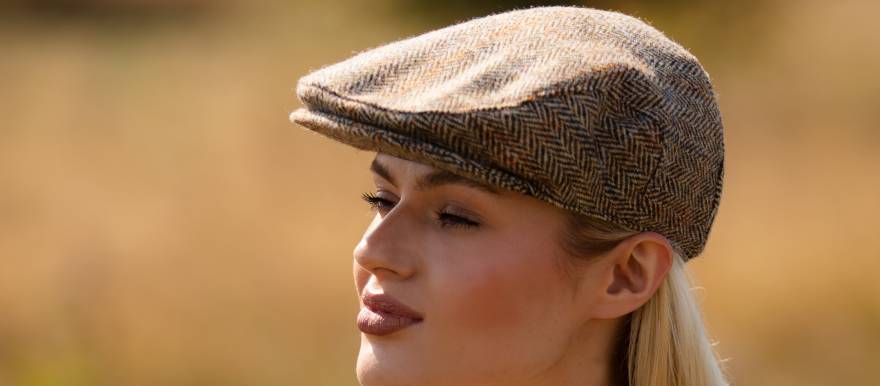
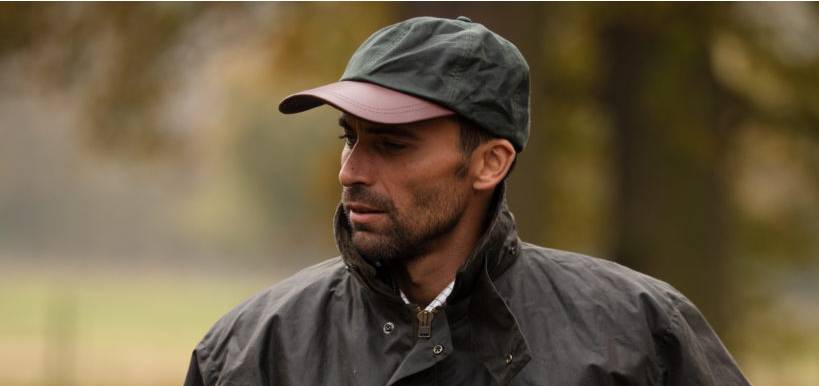
Tweed suits are the most refined ensembles for guys and are synonymous with elegance. A two- or three-piece suit will enable you to emphasize its appearance and silhouette while adjusting to the most significant events. Do you have any idea when you’ll be able to wear a lovely tweed blazer?
The Tweed Suit is a suit for all situations, whether at work, a personal gathering, or a business conference. Here are some ways you can wear a tweed blazer for different occasions.
Business Events
In the office, the Tweed suit is a classic. It allows you to emphasize its silhouette while also providing the ensemble with a distinct flair. It’s useful to have a “go-to” outfit that can come to your rescue in these situations. A traditional grey three-piece suit or a dark grey suit is beautiful and tidy and would be an appropriate choice for the formal situation. Furthermore, choosing a high-quality tweed suit is an investment: it may be more expensive in the short term, but it will keep its characteristics over time.
There are times in everyone’s life when they need to look their finest, but there are other occasions when you can show off your best outfit. Elegant receptions, prominent galas, exhibition openings are some of the examples of formal functions that can arise.
Personal Events
You may get an invitation to your closest friend’s birthday party or a christening invitation for your niece! We don’t often consider such events, although they may be many, especially if you have a large family and many friends. Put on a Tweed suit for a family gathering or a get-together with pals.
Weddings
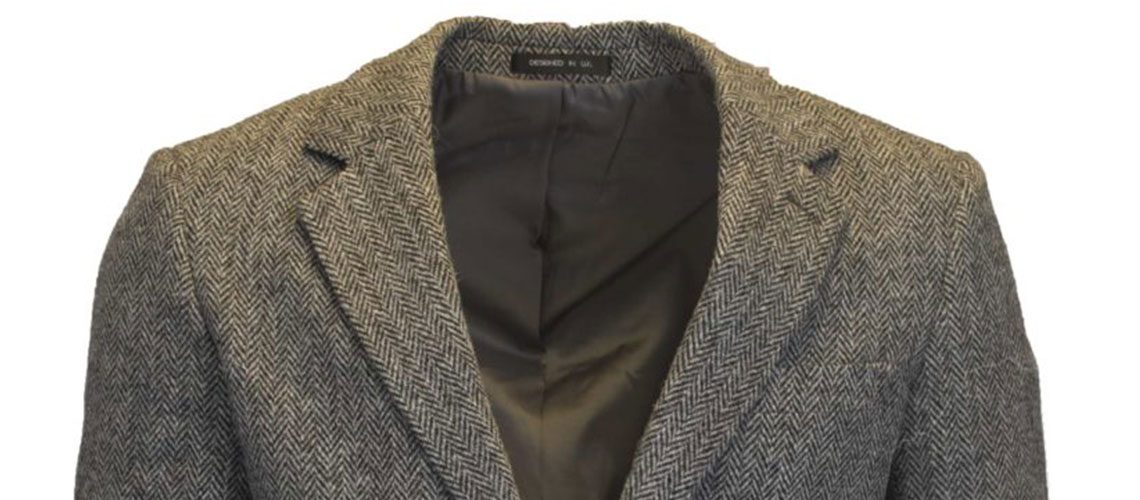
If a man had to select one day in his life to wear a suit, it would undoubtedly be his wedding day. You may select a simple suit or make it more lavish with the shape and color depending on the nature of the wedding and the groom’s approach. The harris tweed herringbone country blazer jacket in Steel Grey look fantastic as a wedding attire in both scenarios.
Wintertime
For the winter, choose a heavy fabric like tweed. They’re ideal for chilly weather because of their moisture-resistant nature and thick material, which keeps you comfortable and warm.
Tweed is appropriate for all seasons. You may wear high-quality textiles in the summer as well as the winter. Tweed outfits have been known as all-year-round clothing since their inception. They are breathable and pleasant in hot weather, and they keep you warm in cold and wet weather.
As a result, pick a wool or silk suit that can be worn both in the summer and the winter.
Horse Races
For horse racing fans who wish to visit the upcoming Ascot Royal Enclosure but are unsure what to wear? Tweed suits go well together. Although Ascot is a famous event with a stringent dress code, a complete morning suit, such as the harris tweed overcheck country blazer jacket with a double-breasted waistcoat, will give you the right royal image.
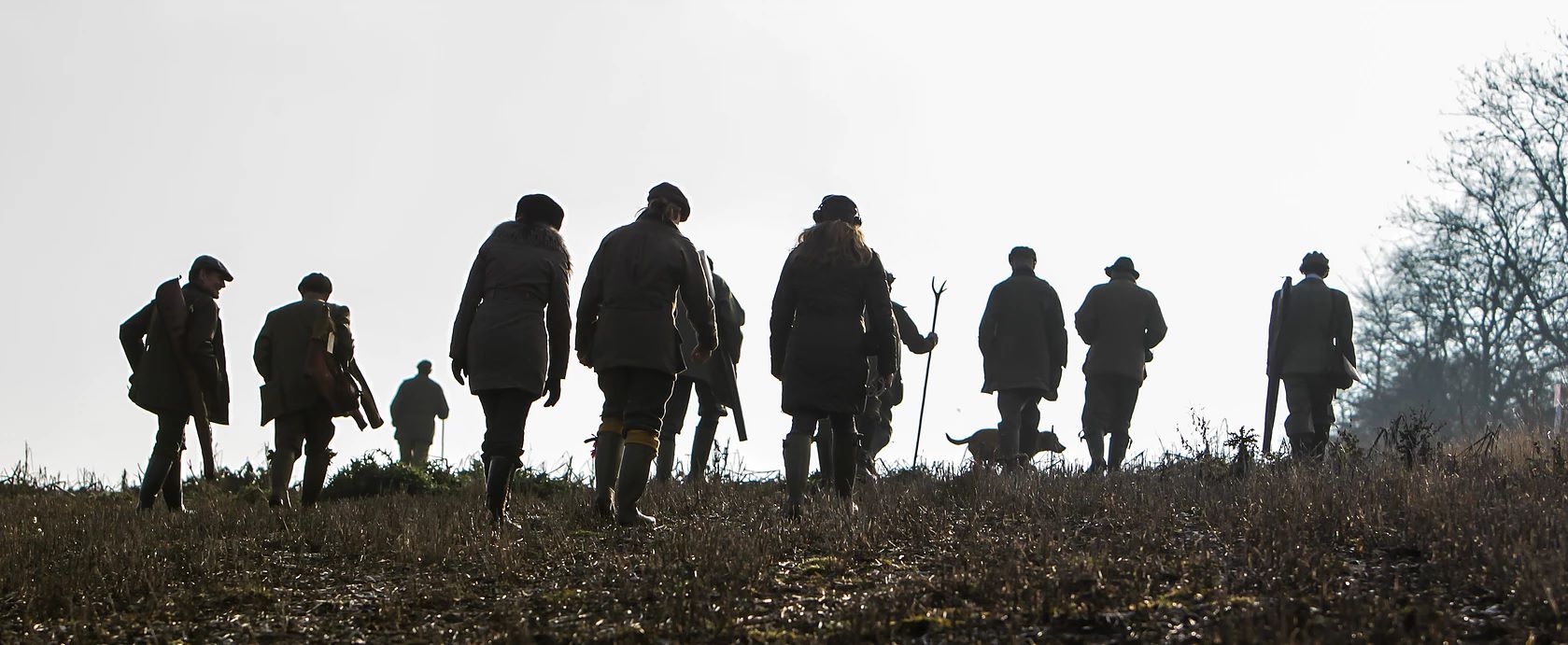
Contrary to popular belief, camouflage is not the only dress code required for hunting. Sure, it might improve your chances of staying hidden to catch your prey, but don’t forget that dressing in tweed coats and ties for successful hunts has always been a long-time tradition for thousands of men. And for today’s most stylish shooters visiting Britain’s huge and gorgeous countryside estates, much of it remains a tradition.
Fast forward a few centuries, hunting is now enjoyed by men and women of all ages and backgrounds and dress codes. While there are certain overtones of social structure among hunting groups, it is a pastime that many people enjoy and is gaining popularity throughout the world.
Here are some tips on how to dress for hunting and shooting so you can hunt and shoot in style.
Long Shooting Stockings
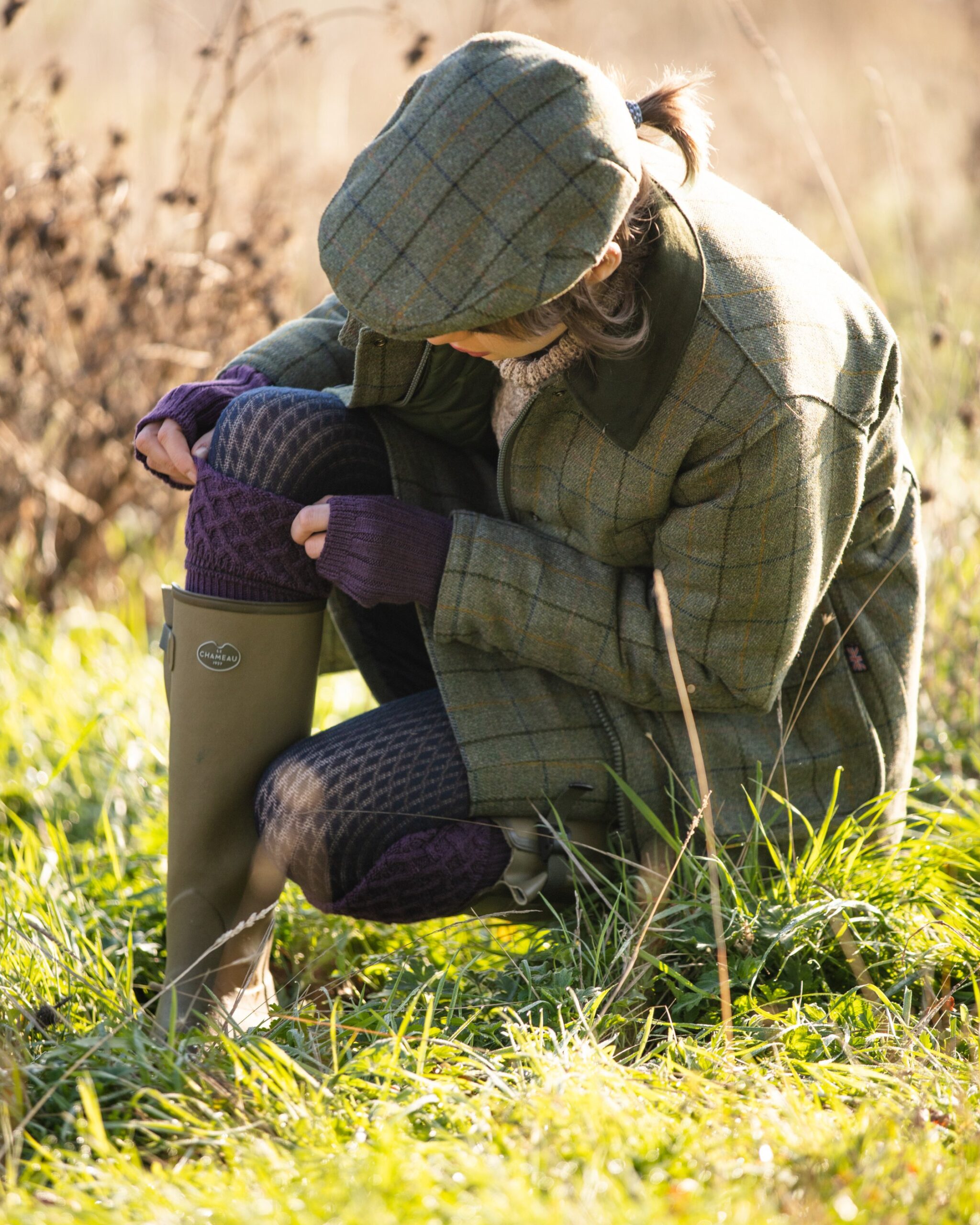
Most shooting socks are long and available in a variety of appealing designs and colors. Typically, they are composed of wool with a little amount of nylon added for sturdiness. It is strongly advised that you use garters with your socks to maintain the seam between them and your breeks weathertight and prevent them from dropping.
Breeks
Breeks, also known as Plus Twos and Plus Fours, are trousers with two or four inches of cloth below the knee. Breeks constructed of weather-resistant and warm British tweed will either complement or contrast with your waistcoat and jacket. They are often adjustable at the side and calves and may be used for a variety of outdoor activities such as hiking, golfing, or taking a stroll with friends and family.
Tweed Jacket
In warmer weather, a tweed jacket with three buttons and a single-breasted design is appropriate. It will almost always have a notch lapel. Peak lapels, on the other hand, are used by certain men as a conspicuous declaration that their jacket is custom. Unfortunately, some experts claim that if the wider peak lapel interferes with the gun’s butt, it can lower the quality of the shot.
A decent field coat or country jacket is important for colder temperatures. There are a variety of options available, like the tweed shooting hunting country jacket which has wider pockets that are great for transporting ammo.
Flat Cap
In the United Kingdom, a gentleman’s hat is a classic adornment. Men used to never leave the house without one, and the hat they wore was often used to identify a man’s social position. The iconic television drama Downton Abbey is a perfect example of this. If you’re a fan, you’ll note that the nobility wears a homburg or top hat with their formal attire, whilst the staff generally wears a bowler. Caps were worn by males during hunts in the same way that similar hats were used in society.
The hunting shooting countrywear hat was the most popular type of cap, and it should be worn front-facing to shield your eyes from the sun. The fedora and even the trilby are two more options that became fashionable in the 1920s and beyond. The flat cap, which is generally made of tweed, is, nonetheless, always a traditional choice.
One of the finest winter clothing hacks we’ve come across is wearing a gilet to keep warm. To the untrained eye, a gilet appears to be an unsuitable cold-weather garment. After all, why would you choose a sleeveless jacket to keep warm? The gilet, often known as a “body warmer,” was designed with utility in mind.
Although there are many styles and types of gilets to choose from, our guide helps to provide some tips and insights on how to style a gilet.
When Should You Wear A Gilet?
It’s your go-to outerwear piece for all kinds of storms and keeping you warm but not too toasty. The gilet is a fantastically versatile additional layer that you can add or remove as needed, making it great for those in-between-season days when the weather isn’t sure whether to come or go. You may easily wear your gilet as a lightweight single item on calmer days. Wear it as an extra mid-layer inside a heavy coat on those very cold winter days when you need all the warmth you can get.
How to Wear A Gilet: A Guide for Men
A gilet is a great casual outerwear garment for all types of outdoor activities, giving optimal warmth and ease of movement. A men’s gilet is a fashionable and practical choice whether you’re going fishing, walking the dog, or simply strolling around town.
If you’re looking for a casual cold-weather suit for guys, consider a padded body warmer or a fleece gilet, which will keep you warm while still giving you a fashionable look. Match your insulated gilet with a checked shirt layered underneath a traditional crew neck jumper and you are ready for a trip to the cold British countryside.
If you are opting for a more formal style, consider a waistcoat or tweed gilet which will be perfect for meeting friends at the bar, attending a special function, or even as workwear. Pair with chinos or moleskin pants and a stylish Oxford shirt.
How to Wear A Gilet: A Guide for Women
The cushioning keeps you warm and comfy, while the thin fit gives you a charming appearance. The pink tweed shooting waistcoat country gilet provides a traditional touch of country, making it ideal for looking and feeling the part when strolling through the countryside. Add a waxed jacket on top if you need more insulation from the cold. Combine your gilet with a pair of skinny jeans and wellington boots to keep your feet dry.
What is The Proper Fit for A Gilet?
A gilet’s perfect fit is determined by a variety of factors, including gilet types, brands, what you wear with it, and personal choice. However, as a general guideline, the armholes should be large enough to comfortably fit many layers below while still being fitting enough to allow you to put a winter jacket over the top. To guarantee a comfortable and flattering fit, the gilet’s body should fit tightly around your waist.
While this is a rough guideline for fitting your gilet, the final fit will be determined by your own choice and how you use it.
Are you looking for the best hiking locations in the United Kingdom? The UK is filled with plenty of hiking trails, but it can be difficult to decide which ones are worth the time and effort. To help you out, we have compiled a list of our favorite places to hike that are perfect spots for any outdoor enthusiast. Take a look below!
Hiking is a sport that takes place in the natural environment. It consists of walking along trails, paths, trails, forests, beech forests, mountains, etc., in order to discover the natural heritage, contemplate scenery, and panoramic views. At the same time, enjoying the practice of physical exercise in nature.
Hiking is a great way to get some fresh air and enjoy nature. It’s also an awesome form of exercise that people at any fitness level can enjoy!
Hiking is an amazing experience that requires careful planning and preparation. It’s important to know your limitations, as well as what you can do at different levels of fitness before starting a new activity like hiking.
You must also carry the appropriate equipment for the terrain and the sport. Above all, it is essential to wear hiking boots or shoes and comfortable clothing, and always a backpack with water, food and energetic snacks, warm clothing, and sun protection. We recommend that our wax jackets, which are water-resistant, are suitable to wear in cold weather.
Wax Jacketm material is an ideal fabric for harsh environments, so it is perfect to wear, for example, on a nature excursion. Also, thanks to the improvements made over the years, they are breathable fabrics, so they are particularly comfortable for traveling. Another of its characteristic features is durability.
As December approaches, there are plenty of fun activities for you to take part in.
THE 7 BEST HIKING LOCATIONS IN THE UK
1. HADRIAN’S WALL PATH
Hadrian’s Wall path is one of the best areas to walk in the UK. It is a 20-mile walk from Chollerford (near Hexham station) to Birdoswald Fort (east of Carlisle). It offers beautiful scenery of the lake district. It is an ancient wall named after the Roman emperor and now a UNESCO world site.
2. SOUTH WEST COAST PATH (THE LIZARD), CORNWALL
South West Coast Path is also one of the best UK hiking trails. It has amazing hidden coves where you can relax. It offers stunning sea views and has various beaches.
3. THE QUIRAING ISLE OF THE SKYE
Quiraing has a captivating rock formation that has enthralled photographers and geologists for years. It is known as a landslip in the wild terrain of northern Skye. It has a top cliff where you can stand and see everything going on below.
4. SOUTH DOWNS WAY, HAMPSHIRE TO EAST SUSSEX
The South Downs Way offers a unique hiking experience with white cliffs and watering holes. The South Downs Way is an epic journey that takes the hiker on 8 days of hiking through Winchester to Eastbourne, but it’s worth every step for those lucky enough to get a chance at seeing these intriguing landscapes! It has landslides just like Hadrian’s, and it offers museums, pubs, parks, and more.
5. SCAFELL PIKE, LAKE DISTRICT
Scafell Pike is another impressive mountain in England. Located on top of its tallest and significant peak, you will feel like standing at an elevation overlooking all other mountains.
6. YORKSHIRE THREE PEAK CHALLENGE
The Yorkshire Dales is a popular tourist destination in England, making it a preferable location to hikers in the UK. It has the three highest mountains which offer fascinating views, such as Pen-y-Ghent’s two distinct sills – the lower is limestone, the upper gritstone.
7. WEST HIGHLAND WAY
The West Highland Way is one of the toughest hikes in Great Britain and attracts thousands of tourists every year. The hardest part about this hike is its mile-long mountains, but if you can make it through those, then there’s some truly breathtaking scenery waiting on the other side!
Derby Tweed Flat Cap and Men’s Derby Tweed Jacket – Brown Tweed Derby Tweed Flat Cap, Ladies Derby Tweed Jacket and Skirt – Navy Stripe
Conclusion
It’s hard to pick the best hiking locations in the UK, but these are some of our favorites.
We hope you’ve enjoyed this blog, and we would love to hear your thoughts. If you have any questions or feedback, please contact us here. You can also find more of our content on social media by following our Instagram and Facebook feeds. Happy hiking!
Harris Tweed is a handmade fabric cloth woven by crofters in their homes. Fabric is a flexible laminar structure resulting from the union of yarns or fibres coherently by interlacing them or joining them by joining their other means. It is a particular type of fabric known as Tweed that has different patterns and colours.
This fabric is peculiar to the native people of Scotland, but it has become popular nowadays and known to the fashion industry. The fabric is of the highest quality, with unique and stunning patterns. This fabric, known as Harris Tweed, got its name from where it’s made- an island in Scotland named Harris island.
History of Harris Tweed
Harris Tweed is a brand of fabric created in the 18th century ago among the Islanders of Harris. This cloth was known for its fabric quality to protect the people against cold, as the northern part of Scotland was known for its harsh climate. Tweed was known as tweel in Scottish because the cloth was woven in a twill pattern before turning to Tweed. Some believe the word Tweed is a misread word.
The countess of Dunmore, Lady Catherine, promoted the Tweed and made it known to the outside world. It all started with the Paisley sisters; she recognised two sisters’ talents in 1843; they were gifted in weaving fabric. She employed them to weave for his household. Harris Tweed was created through her.
Back then, when there was no currency, and often things were purchased by exchanging with other things, known as trade by barter because of its quality, the cloth was used as a means of exchange. Mechanised weaving methods were developed in the industrial revolution era and moved from manual to mechanical.
Harris Tweed has its own act of parliament of 1993, which made it the first—manufactured fabric tweed that has an act of parliament. An act was made in the Wool Act parliament to regulate the manufacture and the trade of cloth by means of Statutes that are constantly renewed to give a tremendous commercial boost to the textile activity of the city.
Harris Tweed is woven in a weaver’s shed on the isle of Harris. The weaving industry develops gradually in the city along the isle of Harris. It specialises in techniques to improve production and is dedicated to softening and beautifying the cloth. The fabrics reach many European countries through the network of their commercial establishments. Due to the initiated commercial development and recognised expertise in manufacturing textiles, Harris Tweed enjoys a flourishing and quiet period. These fabrics are woven from yarns.
Coming from the Isle of Harris in Scotland, this material was carefully selected and mechanically transformed into the so-called “tweed” that made it possible to produce carded fabrics mixed with virgin wool at competitive prices. Since the sixties, machinery and technologies have been resolutely renewed; regenerated raw materials are directed towards higher quality materials that come from recycling new pieces of clothing.
Harris Tweed is so unique and what makes Harris Tweed so special is that any cloth that is officially Harris Tweed is woven in a weaver’s shed on the island and carries the iconic orb logo of authenticity. Every product with the logo is handmade, such as a suit, hat, scarf, bag, etc.
In the 21st century, the positive effects and quality of the cloth began to be felt all over the world, the decisive fact of which was affirmed when, in the middle of the century, the process of regeneration of the scraps of tailoring fabrics, fabrics and clothes began to be used.
Our Harris Tweed Blazer & Waistcoat with Gloves and a Flat Cap Harris Tweed Blazer – White Sand
How it’s made
Harris Tweed is made on an island known as the Isle of Harris in Scotland. The fabric is woven and braided. The natural fibres most used to make fabric are linen, wool, cotton, and silk. The most widely used synthetic is polyester, but Harris Tweed is made with fine wool from Scotland. The yarn is dyed after sorting it out, combed, and spun. The dyed threads are weighed and blended to give the desired unique colour. The fabric is non-allergenic and biodegradable. The fibres are then transformed into yarn (spun), wound into cones, then placed next to the loom to weave the cloth.
Spinning
The material’s fibres are twisted together manually or using a spindle to obtain the spinning. This twisting produces chains of short strands that together form a single body. The force with which they are twisted determines the characteristics of the obtained fabric. With a bit of twist, a fabric with a smooth surface is achieved. High twist produces tough, wear-resistant fabrics. Synthetic fibres are made into yarn in the same way as natural fibres.
The Loom
To weave fabric, a loom and rolls of thread are required with colours you want to incorporate into the material. The loom is a wooden frame which allows fixing a set of parallel threads arranged vertically (along), defined as the fabric’s warp. To begin the actual weaving, horizontal threads are intertwined (across the width), called: fabric weft. The number of threads per square centimetre used in the manufacturing process determines the type and weight of the fabric.
Harris Tweed is woven on a treadle loom at an islander’s home and not at a mill, unlike other fabrics through the warp and weft yarns are from the mill. The Tweed is taken back to the mill after weaving to remove any imperfections that occurred during the weaving and make it perfect. After the Tweed is made perfect, it will be sealed with an orb on the fabric.
What makes Harris Tweed an up-market fabric?
Harris Tweed is a handwoven fabric cloth made by crofters in their homes in Scotland; though there have been some mechanical changes in the process, it is still made using traditional methods. It is known for its highest quality and stylish appearance.
Harris Tweed is unique and different from other fabric cloths. It shows many colours similar to the Scotland landscape as a result of dyes from plants. These colours’ true beauty can be seen with a magnifying loupe. You will see a yarn of cloth displaying multiple beautiful colours.
How to Wear
Fabrics are a fundamental element in fashion since they are part of the fall, the colour, and the texture of each garment. Harris Tweed is one of our favourite products, which gives a classy and impressive look. In addition, it never goes out of style and can be part of any style. With these tips, you will know the best way to wear Harris Tweed and become a fashion guru.
# 1. Wear with Black
The most popular Tweed is the Harris Tweed. Balancing the natural colours with black will allow you to create an infinity of looks, and the texture looks even more impressive with black leather. Wear it with a completely black outfit to look balanced.
# 2. Contrast the Colours
To give prominence to the Tweed, you need to contrast it with a light and neutral colour. The most indicated is white since it highlights black to perfection.
# 3. Take a Chance
Harris Tweed is ideal for those not afraid to be innovative or daring. Investing in eye-catching tweed garments will instantly make you stand out. It can be with applications, embroidery, and even bicolour garments.
# 4. Neon Colours
If you want to steal the eyes wherever you go, combine that tweed garment with a neon colour that will not let you go unnoticed.
# 5. Play With Shoes
Garments made of this material go with practically everything. Experimenting with shoes will make you look versatile, and you can show off the same garment in different outfits, looking very different every day.
# 6. Mark Your Silhouette
Highlighting your figure is essential, especially when wearing an outfit in a single colour, such as black. You can do it with the help of a leather belt.
Some people wonder if there’s a day you can’t wear tweed jackets or when you can wear them. Tweed jackets can be worn anytime, any day of the year, for a casual or formal outing.
Conclusion
Thank you for reading this blog post, and we would love to hear your thoughts in the comments below. Have you ever bought Harris Tweed before? What do you think of it? If not, we encourage everyone to give it a try! You can contact us with any questions or feedback – we’d love to help answer any queries that might be on your mind.
Clay pigeon shooting is a shooting sport that involves firing arms at a clay pigeon with a shotgun. The shot plate saucer, or short flight, is one of the two forms of sport shooting and is considered one of the Olympic sports contemporaries. The modern format of the sport was developed in the 1920s in the United States, where it is known as skeet shooting.
How It Started
The vast majority of today’s shooters started out hunting. The man’s need to feed was sharpening his aim and looking for more and more specific targets. Hunting then could be pointed out as one of the main branches where this sport is born.
The origins of clay pigeon shooting date back to the mid-19th century. The birth of this popular sport took place in the United States, where it began to be practiced during the stages in which hunting was prohibited. In this way, thanks to skeet shooting, North American hunters could continue to use their weapons and “kill the bug” during the closed months. In recent years, the number of skeet shooting fans has increased dramatically. The reasons for this growing popularity must be found in the positive aspect of this sport to practice aiming with our favorite weapon and in the fact that it can be done throughout the year. There are four different types of clay pigeon shooting:
The Olympic Pit:
It is the most popular and widespread discipline in sports shooting. In this practice, the shooter must face 15 target-throwing machines distributed throughout the shooting range. These machines launch plates into the air in 5 series of 25 each, plus a final series of 25 vessels.
The Universal Pit or Trap:
It is a variant of the Olympic pit. Both disciplines differ in three fundamental aspects. In the first place, in this mode, only 5 plate throwing machines are used. Second, the competition takes place in 8 series of 25 targets each, and unlike the Olympic pit, this discipline does not include a final phase.
The Double Trap:
In this mode, two machines located along with the shooting range shoot two targets at the same time, and the shooter must break them with two almost consecutive shots. The competition series consists of 25 doubles, that is, 50 targets, while in the Olympic Games, the shots are made at 150 marks plus another 50 in the final.
The Skeet:
It is one of the most mechanical modalities and requires more excellent skill from the shooter. The series, of 25 targets each, are thrown both single and double. Unlike the pit, in the skeet, the shooter can only fire one round at each target instead of two. There are 2 machines that launch the plates from each tower. The shooter must complete a course of 8 positions distributed in a crescent shape along with the firing range.
Men’s Derby Tweed Shooting Jacket – Brown Men’s Derby Tweed Shooting Winston Gilet – Forest Green
Where You Can Do Clay Pigeon Shooting
The Big Shoot
Big shoot in the UK is the most prominent and premier clay shooting network with over 100 shooting venues in the UK.
Three counties
Three Counties Clay Shooting is located in Basingstoke, UK.
What You Need For Clay Pigeon Shooting
Clay pigeon shooting is one of the different sports shooting modalities that exist. Still, we will focus on common tips that serve other disciplines within this sport, such as the Olympic Pit, Universal Pit, or Trillo. Here is the list of things needed for clay shooting.
CLOTHING
Comfort is the primary goal when shooting, since there is no official dress code. Make sure you wear non-restrictive clothing, and be prepared with layers according to the predicted weather. You will want to wear non-restrictive clothing that allows a full range of motion while shooting.
WEAPONS
For first contact, any shotgun can be used, whether it is superimposed, parallel or semi-automatic; indeed, the most appropriate one would undoubtedly be a superimposed one due to its balance and behavior.
EQUIPMENT
To start hitting our first shots, we will need a basic kit that we can find with an unbeatable level of quality. We can choose a vest or shooting belt to our liking, but it is essential to always shoot with eye, head, and hearing protectors, whether they are earplugs or helmets, since we should not play with our health. Gloves are essential to prevent your hand from burning when you fire off rounds and it becomes hot.
AMMUNITION
The ammunition to use in the Olympic Pit is the 24gr cartridge, and in the 28gr threshing or Universal Pit, as a general rule, we will use 7.5 pellets, although there are shooters who choose to use the 8.
TECHNIQUE
Good foot and leg placement is essential since it gives us the correct angle and stability to obtain the necessary balance when shooting and swinging. Therefore, it is advisable to wear Trainees or reliable boots and wool socks rather than wearing heels.
Conclusion
Clay pigeon shooting is a sport that many people enjoy as an outdoor activity. It’s not hard to see why; the thrill of the hunt, competition with others, and camaraderie all make it such a fun event.
If you’re looking to take your next shooting adventure up a notch, don’t miss our social promotions for the best outdoor brands.
Whether a year-round hat lover or looking to be a winter warrior, get your head in the game with the essentials of how to measure your hat size. Finding the right fit can mean a world of difference between comfort and pain on those all-day outings. Measurements needed include your head, typically the circumference of your head, to find the perfect-fitting hat size. So take a deep dive into how to find your correct hat size with the complete and easy guide below!
Why You Should Measure Your Head
Choosing the ideal size of your hat is an integral part of finding pleasure in wearing it. The last thing you need is a large hat flying off with the wind or a smaller binding hat that imprints a band on your forehead or one that pinches into your skin. But, on the other hand, a correctly fitted hat sits lightly on your head and feels secure to wear while still roomy enough to let your head breathe.
When you find the right hat size and buy your hat, you can check that your hat fits securely by shaking your head back and forth or by fully folding forward at your waist. If your hat stays put and doesn’t slip off, you have yourself a reliable hat in fit and size.
Reasons to sport a hat range from completing your fashion style to guarding you against the sun’s harmful rays or strong winds. More than just style or function, a sophisticated hat that fits perfectly enhances your entire face, complements your clothing, and can complete your style like a fully-tailored outfit.
While recommended to measure your head for a good fit, the only time to ignore this is with the one-size-fits-all hats featuring the convenience of adjustable straps. So whether you choose this or the complete process of measuring your head, go confidently with shopping for your great wardrobe-addition of hats and ones you can don for years to come. To figure out the correct hat size for you, follow the steps below to measure your head.
The Step-by-Step Process:
Supplies Needed
Measuring tape
or a soft string or Ruler
1. Measure Your Head
Stand in front of a mirror for a clear view of your measurement.
Use either the tape measure or soft string to wrap around the widest part of your head evenly until the tape measure or string overlaps. Usually, this is above your eyebrows and at the center part of your forehead.
Check that the tape or string is not too tight or too loose.
For most accurate results, measure 3 – 4 times for consistent measurements.
2. Get Your Head Circumference
If using a tape measure, note the length in centimeters.
If using string, carefully hold onto the end-point of the measurement and line up the string against a ruler to record the size in centimeters.
3. Find Your Ideal Hat Size
Use the Hats Size Chart, such as the reference below, to find the size corresponding to your measured length. So, if your head circumference is 59 cm, your corresponding UK hat size is 7 ¼ or international size “L”.
If the measured head size is between two numbers, such as 57.5 cm, round up to the next whole number or 58cm and find the corresponding hat size.
Or, if the measured head size is between two hat sizes on the chart, choose the next larger size up.
Traditional garments like the waxed jackets and trousers can prove extremely waterproof, rugged, and durable while still looking fashionable and on-trend for years to come. These features make them an everyday and popular item in many people’s closets, especially the hobbyist geared for the outdoors.
After many excursions, repeated use of your wax jackets or trousers may leave you wondering if your worn-looking garment needs replacing or repairing? How is this done, and do you need a professional? Reproofing your garments without replacement is easier than you think and will restore them to just about a newly bought condition. Furthermore, reproofing regularly, which is a sure-fire way of promising the jacket and trouser’s long-term use, can be done an indefinite number of times.
Caring for your waxed jackets and trousers with reproofing helps the clothing to continue safeguarding from water, snow, dirt, grime, and other forms of stains. Only needing a few hours, avoid reproofing from taking over your whole weekend by understanding how easy the actual process is!
Two essential steps make reproofing garments a straight-shoot and will have your garment looking good as new, possibly even richer, such as with leather materials when colors tend to deepen into a glow. All you need to know is how to surface-rinse your garment and apply a fresh layer of wax.
Notable warning:
To keep the original wax protectant on the garment’s surface, never dry-clean, machine-wash, or use any hot water and soap when cleaning your waxed jackets or trousers.
The Step-by-Step Process:
1. Cleaning Accumulated Dirt, Debris, or Residues
Collect needed cleaning items: cold water and a sponge or soft cloth.
Bring the jacket or trousers to room temperature if stored in a colder area.
Lay the jacket or trousers flat on a sturdy work surface, such as a table.
Place a plastic sheet or table cloth over the work surface to protect it.
Dip the sponge or cloth in cold water, squeeze out excess, and gently wipe down the garment.
Go over the entire surface area to give a quick rinse, removing any dirt, debris, or residues trapped in the fabric. Particularly pay attention to get into any seams, creases, and areas of most wear and tear.
2. Applying Fresh Wax to Reproof
Prepare wax that comes in a tin container, such as the British Millerain Original Wax, by placing the tin in a bowl or basin of water. Water needs to be hot enough to melt and soften into a smooth wax.
Use a clean, sturdy work surface, covered with any needed protective plastic or tablecloth, and preferably in a well-ventilated area.
Place the cleaned jacket or trousers flat and spread out on the work surface.
Dip the sponge or soft cloth in the melted wax and work an even layer over the garment surface to provide a coat. Pay close attention to any seams and creases, worn-out areas, or areas that are drier.
Make sure to cover the entire jacket or trousers and be careful not to apply wax over regular cloth surfaces, including the insides of pockets, any lining material, or corduroy used for collars, elbows, knees, and cuffs.
Hang your garment in a warm place to dry thoroughly overnight.
Bonus tips:
Do not use the treated garment immediately to avoid spreading moist wax onto contact surfaces.
Use a hair-dryer in a low-heat setting and run over the newly waxed or reproofed garment to help speed up the drying process and settle the wax into an even coverage.
To maintain the garment’s best quality, ideally, reproof your jacket and trousers at least once a year—plan to reproof your jacket and trousers more frequently if used often. In between your garment’s use, store in a cool place to increase your jacket or trousers’ longevity.
 Sign up for our newsletter


 7th April 2022