Sign up for our newsletter


 6th November 2025
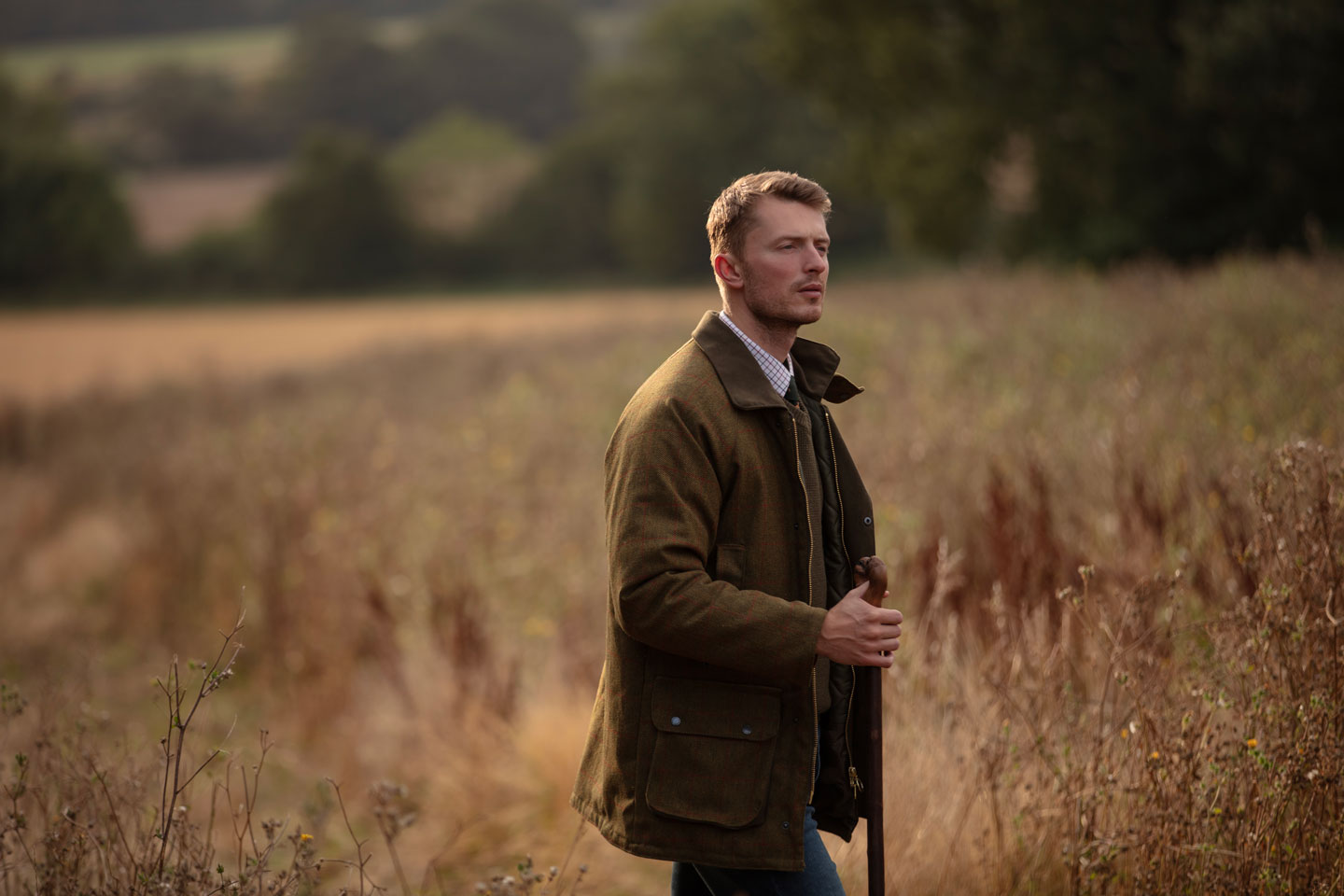
There’s something unmistakably British about tweed. Maybe it’s the early palette that mirrors our rolling fields and moody skies, or the quiet confidence it carries – the kind that doesn’t need to shout to make an impression. Tweed isn’t just a fabric; it’s a story woven through generations of craftsmanship, weather, and wit.
As the air sharpens and the countryside changes its colours, tweed comes into its own – dependable, dignified, and ready for anything the season brings. From misty morning walks to market-town weekends, it’s the fabric that fits right in, no matter where life takes you.
At Walker and Hawkes, we’ve worked with tweed for over two decades, refining the balance between classic style and practical performance. But what is it about tweed that makes it such an enduring favourite – especially when the chill sets in?
You’ve asked, we’re answering. Here’s everything you need to know about the British fabric that was – quite literally- built for the weather.
Is tweed warm enough for winter?
In short – absolutely.
Tweed was designed for the cold, damp, unpredictable weather that Britain is famous for. Long before synthetic insulation and waterproof membranes, it was the trusted armor of farmers, gamekeepers and country sportsmen who needed a fabric that could handle the elements – and still look respectable enough for town.
What makes tweed so effective is its natural wool composition and dense twill weave. Wool fibres are packed with tiny air pockets that trap heat while allowing the skin to breathe, creating insulation without bulk. The result? A fabric that keeps you warm without feeling heavy, even on long days outdoors.
Modern tweed has only improved on that tradition. At Walker and Hawkes, our Derby and Harris Tweeds are woven to endure – thick enough to fend off a chill, yet breathable enough to layer comfortably over shirts, jumpers, or waistcoats. And unlike synthetic fabrics, tweed regulates temperature naturally, keeping you cosy in winter and cool come spring.
Whether you’re walking the dogs through frosty fields or braving a blustery day at the races, tweed remains one of the most dependable winter fabrics ever made – proof that good designs never go out of style.
How do you style a tweed jacket casually?
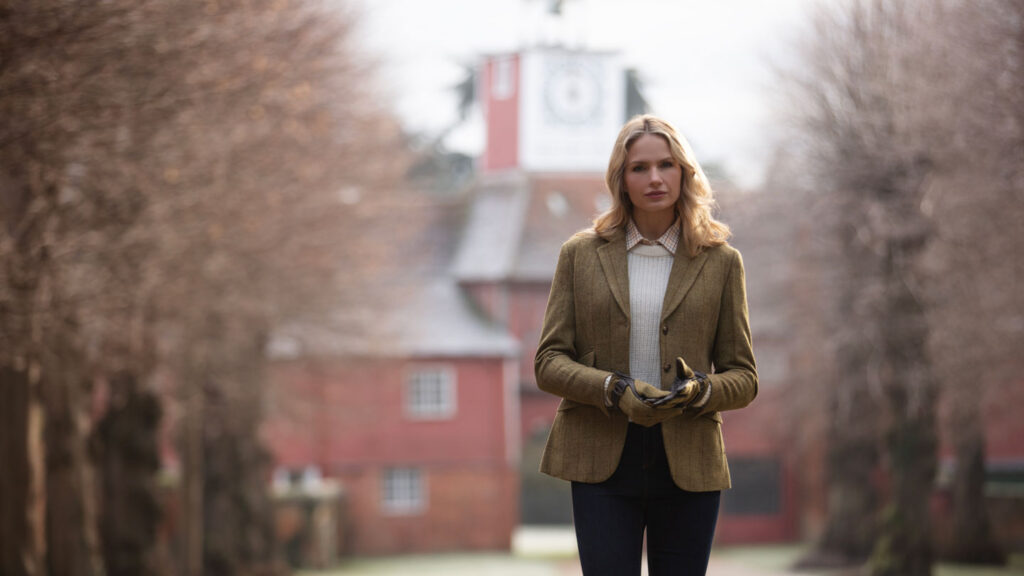
There’s a reason tweed has never gone out of fashion – it adapts. What was once reserved for the field or the hunt now feels as at home in the coffee shop, countryside pub, or weekend market. A good tweed jacket brings polish without pretense; it’s effortless sophistication that works anywhere.
For men, think heritage with a relaxed edge. Pair your tweed blazer with a crisp country shirt and jeans, or layer it over a jumper for easy warmth. Add a waxed cap or gilet for that rugged, ready-for-anything feel. Tweed’s texture gives even the simplest outfit a touch of distinction – proof that casual doesn’ t have to mean ordinary.
For women, it’s all about balance. Try layering your blazer over a nice jumper and slim trousers for a modern, countryside-inspired look. Or go classic with a tweed waistcoat, a soft lambswool scarf, and boots made for muddy paths and market strolls.
At Walker and Hawkes, our collection of tweed blazers and waistcoats is designed with versatility in mind – pieces that carry you from country lanes to city streets with quiet confidence. Tweed may have been born outdoors, but it’s built to fit every part of your life.
Why is tweed associated with British countrywear?
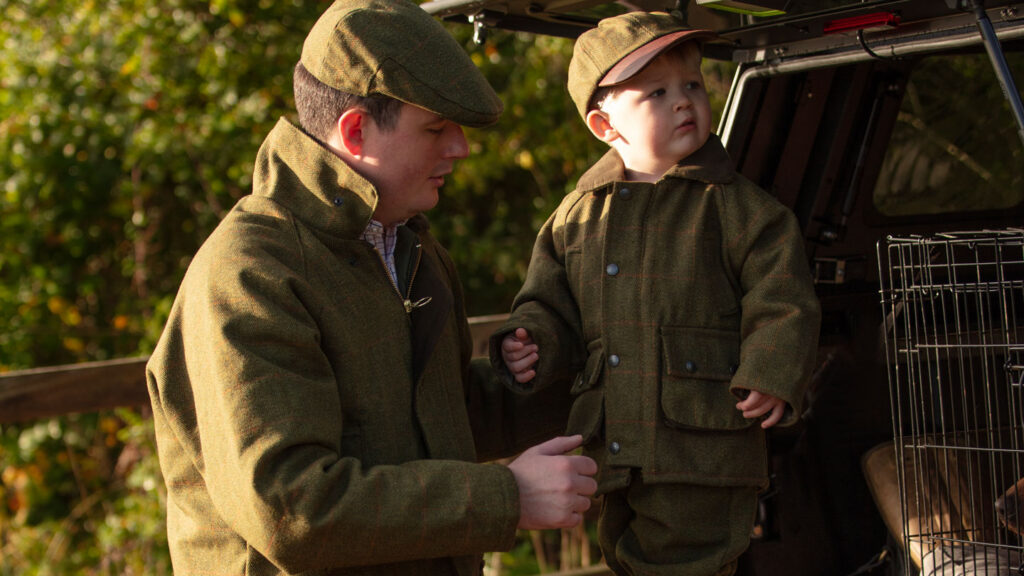
Tweed and the British countryside have always gone hand in hand. The fabric’s story begins in the 19th century, woven by Scottish and Irish artisans who needed something strong, warm, and weatherproof to endure the chill of the Highlands and the damp of the moors.
Soon, its practicality caught the attention of the British gentry. Aristocrats and landowners began commissioning their own “estate tweeds” – unique patterns woven in colours that reflected their landscape, from mossy greens and heather purples to earthy browns and stone greys. Each one told a story of land, weather, and tradition.
That’s how tweed became more than just a fabric – it became a symbol of British rural life. The choice of those who worked the land, and those who loved it. Today, when you pull on a tweed jacket, you’re wearing a piece of that history. It’s a quiet nod to centuries of craftsmanship, community, and countryside culture.
At Walker and Hawkes, that legacy is woven into everything we make. Our tweeds pay homage to those traditional weaves while being built for modern wear – strong, stylish, and unmistakably British. Because no matter how the years move on, tweed remains the uniform of the countryside: practical, proud, and enduring.
Is tweed waterproof or water-resistant?
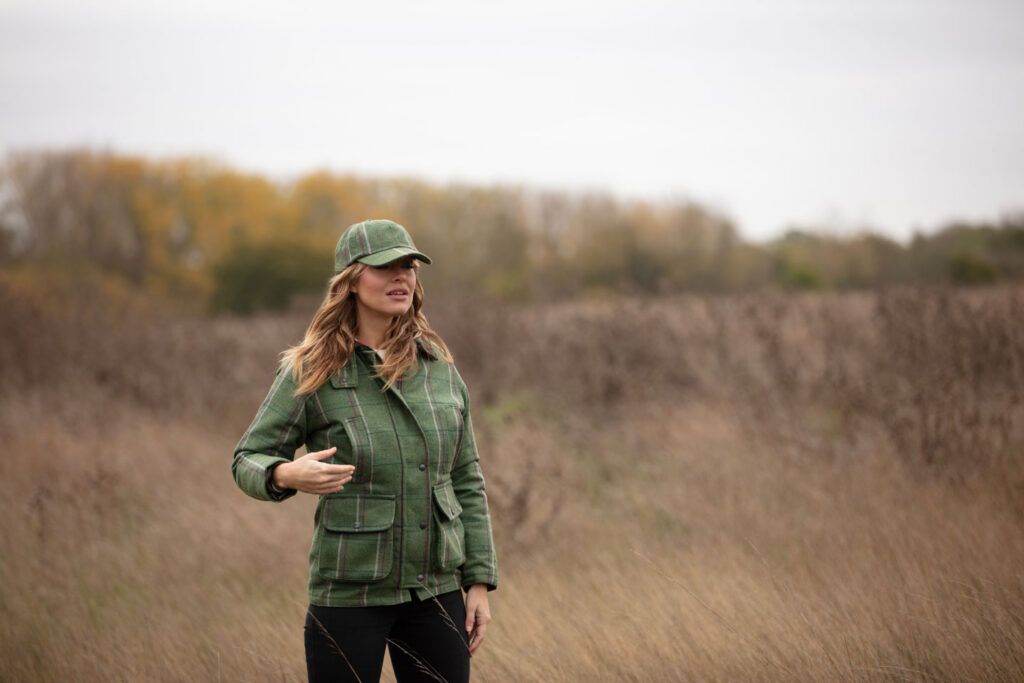
Tweed isn’t fully waterproof – but that’s part of its charm. It’s naturally water-resistant, and for good reason.
Wool fibres have a thin, waxy coating of lanolin – nature’s own waterproofing – which repels light rain and moisture. Combine that with tweed’s dense weave, and you’ve got a fabric that shrugs off drizzle, mist, and the kind of unpredictable weather Britain is famous for. It keeps you dry long enough to make it back to the car, the café, or the fire – without ever losing its warmth or comfort.
Of course, for truly stormy days, many countryfolk layer their tweed with a waxed jacket or gilet – a pairing that’s been perfected over generations. The wax keeps the rain at bay, while the tweed beneath holds the warmth close. It’s a combination built for bridle paths, shoot days, and long countryside walks.
At Walker and Hawkes, we stay true to that timeless balance. Our tweeds are tightly woven for durability, and many of our jackets are treated with a fabric protector, giving you an extra layer of defence against the elements. Because when it comes to British weather, it’s not about avoiding the rain – it’s about dressing for it in style.